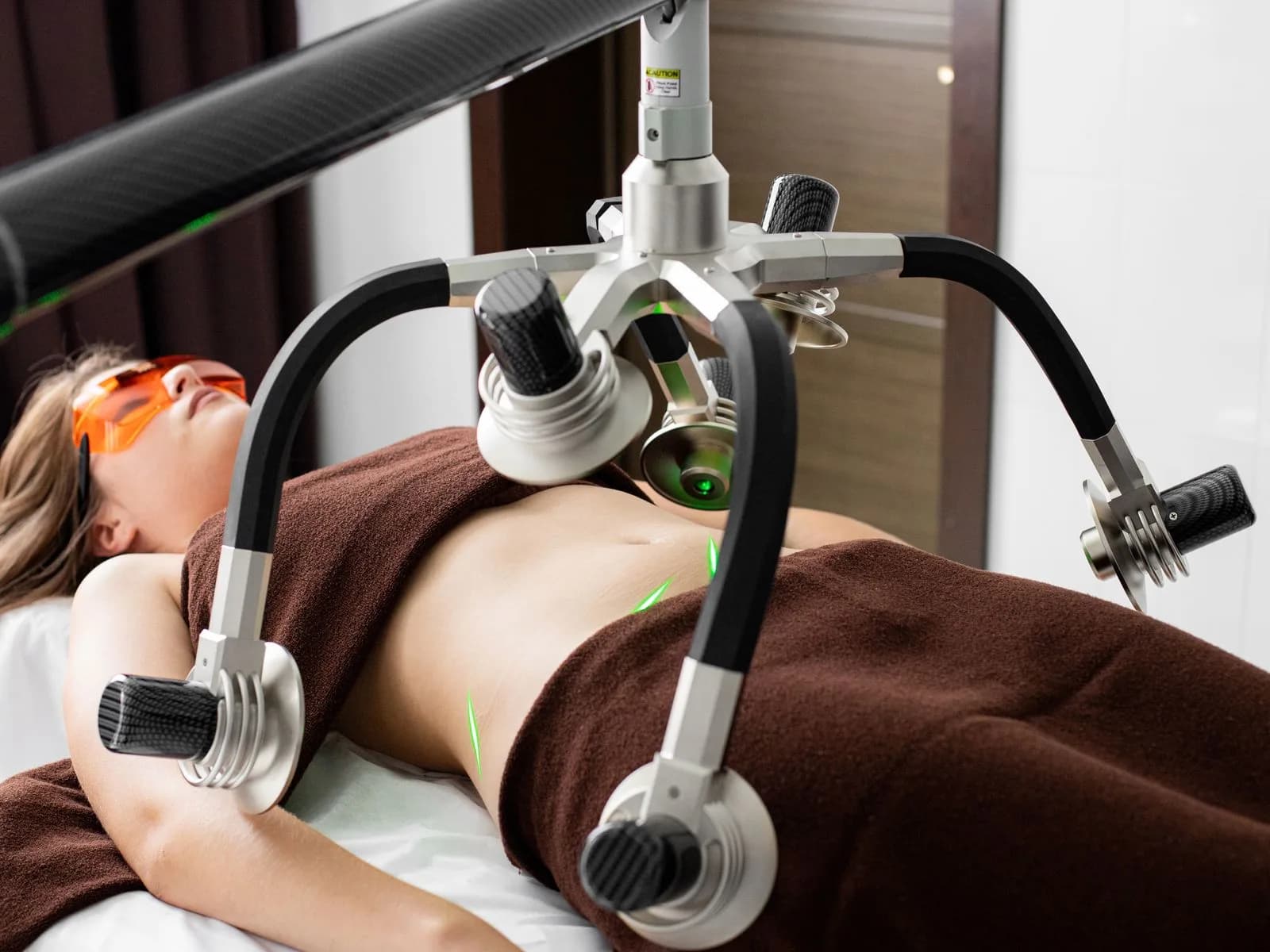
Miriam, 43, lost the weight and kept it off, but one soft pocket below her navel will not budge. Here is the honest, evidence-led answer to whether fat freezing works in Malta — results, sessions, safety, and who it actually suits.
Yes, fat freezing works for the right person. Cryolipolysis is an FDA-cleared, evidence-backed treatment that permanently reduces a treated fat layer by roughly 20–25% per area, per session. It is a body-contouring treatment for stubborn, localised fat, not a weight-loss programme. Results appear gradually over 8–12 weeks and often need more than one session. Results vary for each individual.
Written by Katya — Carisma Slimming Clinical Team. Reviewed by the Carisma Slimming medical team. Last updated 30 June 2026.
Miriam, 43, teaches in Birkirkara. She has lost the weight she set out to lose, kept it off for the better part of a year, and is genuinely proud of that. But there is one soft pocket below her navel that simply will not move, no matter how many planks she does or how clean her week has been. A friend mentioned fat freezing. Miriam went home, opened a dozen tabs, and within twenty minutes felt more confused than informed.
If that is you, here is the first honest thing worth saying: that pocket is not a sign you failed your diet. Some fat deposits are simply more resistant to diet and exercise than others, and that is biology, not a lack of effort. The real question is not whether you tried hard enough. It is whether fat freezing is the right tool for the specific thing you want changed.
This guide answers that plainly — how cryolipolysis works, what the evidence really shows, the results you can realistically expect, who it suits and who it does not, and how it compares to the other options available in Malta. No hype, just a clear picture so you can decide with your eyes open.
So, does fat freezing actually work?
Yes — for the right candidate, with realistic expectations. Cryolipolysis does measurably reduce the fat layer in a treated area, and the reduction is well documented in clinical research. This is not a gimmick.

The honest caveat is just as important: it works on stubborn, localised pockets, not on overall body weight. If you are looking to lose several kilos across the body, this is the wrong tool, and a good clinic will tell you so rather than sell you a course you do not need.
Put simply, fat freezing is a sculpting treatment, not a slimming one. It is designed to refine the shape of an area in someone who is already at or near their goal weight. Hold that distinction in mind as you read, because almost every disappointed review of fat freezing traces back to expecting it to do a job it was never meant to do.
How fat freezing (cryolipolysis) works
The mechanism is more elegant than the name suggests. Fat cells are more vulnerable to cold than the surrounding skin, nerves and muscle, and cryolipolysis exploits exactly that difference.
During treatment, a controlled cooling applicator is placed over the target area and the fat is brought down to a precise low temperature for a set time. The cold triggers the treated fat cells to begin a natural, gradual breakdown process while leaving the overlying tissue unharmed.
Over the following weeks, your body's own lymphatic system clears away those damaged cells and processes them like any other waste. That clearance is why results are gradual rather than instant, and why patience is part of the treatment rather than a flaw in it.
Because the cells are cleared rather than simply shrunk, the reduction in the treated area is considered long-lasting. The cells that leave do not come back — though the fat cells that remain can still enlarge if your weight rises, which is why a stable weight protects the result.

What the evidence actually says
This is where Katya tells you the part the marketing usually skips: the evidence is genuinely good, and it is also genuinely imperfect. Both things are true.
On the strong side, cryolipolysis is FDA-cleared for fat-layer reduction in several body areas, and a body of peer-reviewed research backs it up. A 2025 systematic review and meta-analysis in Obesity Reviews (Wiley) found that cryolipolysis produces a consistent, measurable reduction in subcutaneous fat thickness across studies, with a favourable safety profile. The effect is real and it is repeatable.
On the imperfect side, results vary meaningfully between individuals, the average reduction per session is modest rather than dramatic, and the quality of studies differs. The treatment reduces a fat layer; it does not remodel your whole silhouette in one go. An honest reading of the literature supports cryolipolysis as effective for the right goal, not as a miracle. Results vary for each individual.
Realistic results: how much fat you can expect to lose
In the research, a single cryolipolysis session typically reduces the thickness of the treated fat layer by roughly 20–25%. That is a reduction in one specific pocket, not a number on your bathroom scale.
That distinction matters more than any other figure in this article. Because the treatment removes a relatively thin layer of fat from a defined area, the scale often barely moves. What changes is the shape and contour of the area treated, which is exactly what this treatment is for.
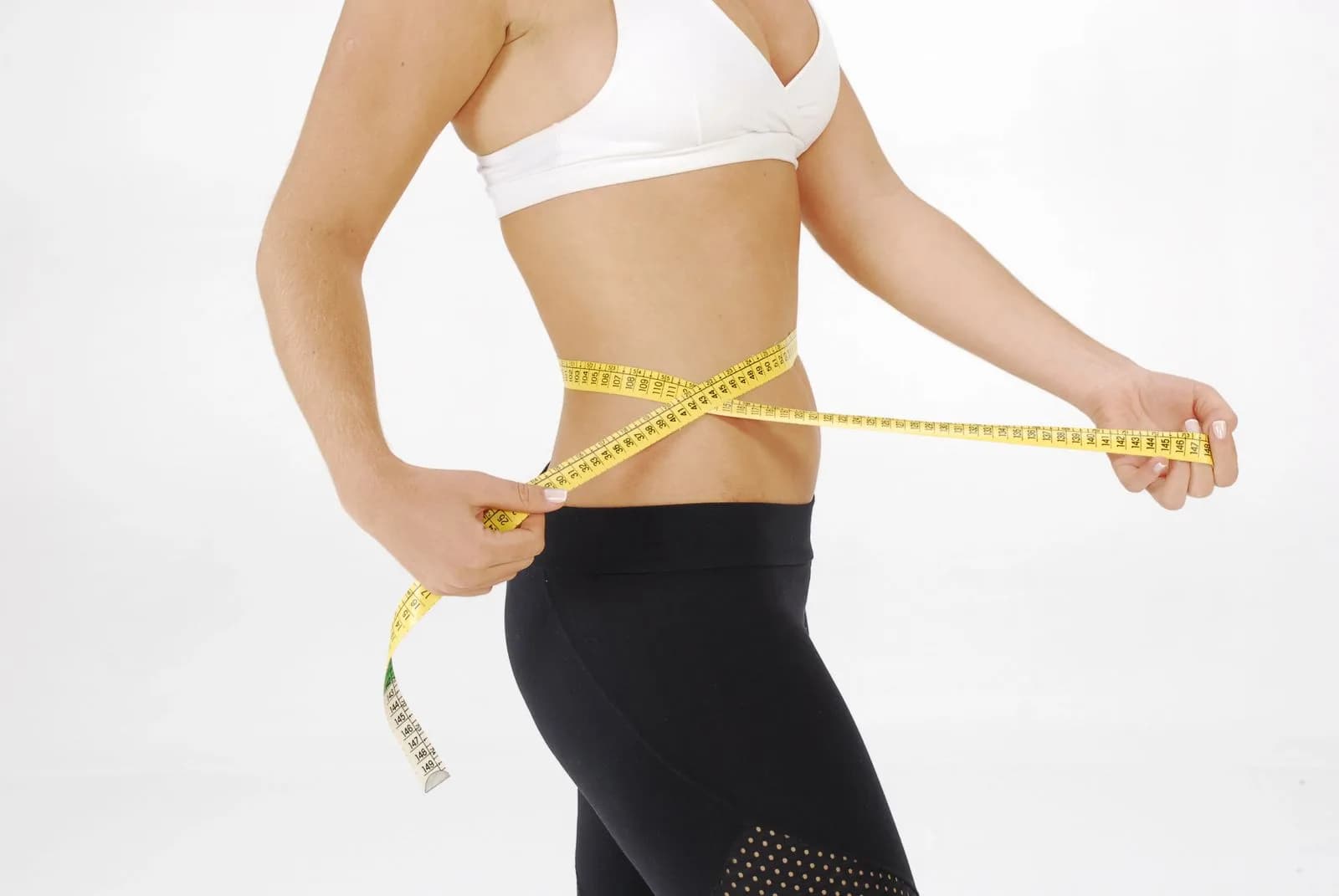
Most people see the change in how clothes sit and how the area looks in the mirror, rather than in their weight. If your goal is a smoother, flatter contour in a stubborn spot, that is a realistic and reasonable outcome. If your goal is to lose weight, this is the wrong measure and the wrong treatment.
Anyone who promises you a specific drop on the scale from fat freezing is, gently, not telling you how the treatment actually works. A good clinic measures and photographs the area, not just your weight.
How many sessions you'll need, and the timeline
Many areas need more than one session to reach a satisfying result, and that is normal rather than a sign something went wrong. The exact number depends on the area, the amount of fat present and the result you are aiming for, which is why a proper assessment comes before any promise.
The timeline runs on your body's own clearance rate, which is why patience is part of the treatment. Weeks 0–3: the treated cells are crystallised and beginning to break down, with little visible change yet.
Weeks 3–4: the first subtle softening of the area often becomes noticeable.
Weeks 8–12: the fuller result of a session appears as your lymphatic system finishes clearing the cells.
Beyond 12 weeks: if a course was planned, later sessions continue to build on the earlier reduction.
Because the result builds slowly, the worst thing you can do is judge it at week two and conclude it did not work. The treatment is doing its job quietly in the background. Give it the full eight to twelve weeks before forming a view.
Who fat freezing suits — and who it doesn't
This is the section that protects you, so read it before you book anything.
Fat freezing suits someone who is already at or near a stable, healthy weight and has a specific, pinchable pocket of fat that resists diet and exercise — a lower-tummy roll, flanks, inner thighs or under the chin. It suits people who want a non-surgical option with little to no downtime and who are comfortable with a gradual result rather than an overnight one.
It is not the right tool if you are looking to lose overall body weight, if the area is mostly loose skin rather than fat, or if you expect a dramatic single-session change. It is also not appropriate during pregnancy, or for people with certain cold-related conditions, which is one of several reasons a consultation is required before treatment. For overall weight, a medically supervised weight-loss programme is a better starting point, and for some women a GLP-1 medical weight-loss programme addresses the appetite side that diet alone never could.
The most useful thing a clinic can do is tell you honestly which group you fall into. If fat freezing is not right for your goal, the right answer is to say so, not to take a deposit.
Is fat freezing safe? Side effects and risks
Broadly, yes. Cryolipolysis has a well-established safety record and is non-surgical, with no incisions, no anaesthetic and typically no recovery time, so most people return to their day straight after.
The common side effects are temporary and local: redness, swelling, bruising, tingling or temporary numbness in the treated area, usually settling within days to a couple of weeks. These are expected rather than alarming, and your clinician should describe them before you start.

Rare risks do exist and you deserve to know them, not have them glossed over. The most notable is paradoxical adipose hyperplasia, an uncommon reaction where the treated fat enlarges rather than reduces; it is rare, more reported in some groups, and treatable, but it is real. This, again, is why an experienced clinician and a proper assessment matter more than a low price. A responsible practitioner explains the full picture and monitors your result rather than reciting a disclaimer and moving on. Results vary for each individual.
Fat freezing vs other fat-reduction options in Malta
Fat freezing is one tool among several, and the best results often come from matching the tool to the problem rather than forcing one treatment to do everything.
Fat freezing (cryolipolysis): best for stubborn, localised pockets in someone near their goal weight. Non-surgical, gradual, low downtime. Not for overall weight loss.
Fat dissolving injections: another option for small, defined areas, working through a different mechanism. Useful for very specific deposits where a precise approach fits better.
GLP-1 medication: for overall weight, not contouring. Where the real issue is appetite and total body weight rather than one pocket, a medically supervised GLP-1 programme addresses a different problem entirely. You can also read our honest comparison of Ozempic versus Mounjaro for weight loss in Malta.
Diet and exercise: the foundation underneath all of it. No contouring treatment replaces the structure that protects a result over time.
The right choice depends on what you are actually trying to change, which is the whole reason a free consultation comes first. Matching the treatment to the goal is the single biggest predictor of being happy with the outcome.
Fat freezing in Malta: what to look for in a clinic
A treatment is only as good as the assessment and the hands behind it, and in a market the size of Malta, word travels. Choosing carefully matters more here than almost anywhere.

Look for a clinic that assesses your suitability honestly before quoting a course, uses proper cooling technology with trained clinicians, takes before-and-after measurements and photographs rather than relying on the scale, and gives you a realistic timeline and an honest view of how many sessions you are likely to need. Be wary of anywhere that promises a fixed weight loss, pressures you into a large package on the first visit, or skips the consultation.
At Carisma Slimming in Floriana, the assessment comes first and the honesty comes with it. If fat freezing is right for your goal, we will tell you. If something else fits better, we will tell you that too. Book a free consultation and you will leave understanding your own options far more clearly than a dozen browser tabs ever managed.
FAQs about fat freezing in Malta
Does fat freezing really work?
Yes, for the right candidate. Cryolipolysis is FDA-cleared and supported by peer-reviewed research, and it measurably reduces the fat layer in a treated area by roughly 20–25% per session. It works on stubborn, localised pockets in people near their goal weight, not as a treatment for overall weight loss. Results appear gradually over 8–12 weeks and vary for each individual.
How much weight can you lose with fat freezing?
Very little, and that is by design. Fat freezing removes a thin layer of fat from a specific area, so the bathroom scale often barely moves. What changes is the shape and contour of the treated pocket. If weight loss is your goal, fat freezing is the wrong measure and the wrong tool; a medically supervised weight-loss programme is the better route.

Is fat freezing permanent?
The treated fat cells are cleared by the body and do not return, so the reduction is considered long-lasting. However, the fat cells that remain in the area can still enlarge if your overall weight increases. Maintaining a stable weight with good nutrition and activity is what protects and preserves the result over time.
How many sessions of fat freezing will I need?
It depends on the area, the amount of fat present and the result you want. Many areas need more than one session to reach a satisfying contour, and the exact number is decided after a proper assessment rather than promised upfront. Results from each session build gradually over 8–12 weeks before the next is considered.
Does fat freezing work on belly fat?
It can, when the belly fat is subcutaneous — the pinchable layer just under the skin — rather than visceral fat that sits deeper around the organs. Fat freezing only addresses the pinchable layer, so a consultation is needed to confirm the area is suitable. For deeper visceral fat, weight loss through nutrition, activity or medical support is the appropriate route.
Is fat freezing safe, and does it hurt?
It has a well-established safety record and is non-surgical with little to no downtime. During treatment most people feel intense cold and a pulling sensation that eases as the area numbs; it is generally described as uncomfortable rather than painful. Temporary redness, swelling or numbness afterwards is common and settles within days to a couple of weeks.
Ready for an honest answer about your specific situation?
If you have read this far, you are not looking for hype. You are looking to know whether fat freezing is right for the one thing you actually want changed, or whether something else would serve you better.
That is exactly what a consultation is for. A clinician will assess the area, talk through your goals, and tell you honestly whether cryolipolysis fits — or whether another option, or none at all, makes more sense for you. No pressure, no sales pitch.
Book a free consultation at Carisma Slimming in Floriana and leave knowing your real options.
Carisma Slimming, Floriana · Call +356 2780 2062
You did not fail your diet. Some fat is simply stubborn. Let us help you decide the right way to treat it.

With you every step,
Katya
More from the blog