Grace has been eating salads for lunch every day for six weeks. She walks 8,000 steps around Valletta on her lunch break. She turned down pastizzi at the office every single Tuesday. And when she steps on the scale, it barely moves. She is not imagining it. Not being lazy. Not weak. What Grace is experiencing, and what thousands of women across Malta know all too well, is what happens when hormone imbalance and weight gain collide. When the system that regulates your appetite, your...
Grace has been eating salads for lunch every day for six weeks. She walks 8,000 steps around Valletta on her lunch break. She turned down pastizzi at the office every single Tuesday. And when she steps on the scale, it barely moves.
She is not imagining it. Not being lazy. Not weak.
What Grace is experiencing, and what thousands of women across Malta know all too well, is what happens when hormone imbalance and weight gain collide. When the system that regulates your appetite, your metabolism, and where your body stores fat is quietly working against you, no matter how hard you try.
If you've started over more times than you'd like to count, this is for you.
Hormone imbalance and weight gain in Malta affects a significant proportion of women, particularly those in their thirties, forties, and fifties. The problem is not willpower. The problem is biology. And when you understand that, you can finally stop blaming yourself and start solving the right thing.
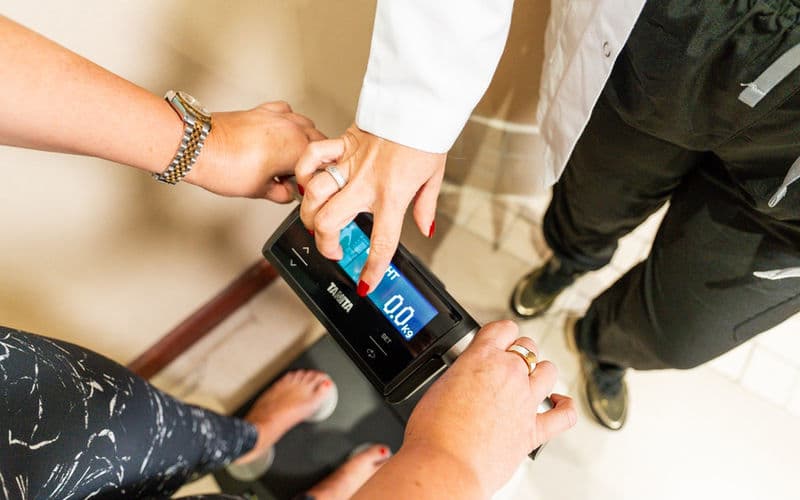
[Image: Body Analysis]
How Hormones Control Your Weight (The Basics) Your hormones are chemical messengers. They travel through your bloodstream and tell your organs, tissues, and cells what to do, including how fast to burn fuel, when to store fat, and whether you're hungry or full.
Think of your hormonal system as a set of dials, all running at once. Insulin determines how your body processes sugar and whether it gets stored as fat. Cortisol, your stress hormone, signals the body to hold onto energy reserves. Leptin tells your brain you're full. Ghrelin tells your brain you're hungry. Thyroid hormones set the pace of your entire metabolism. If they run slow, everything slows with them.
When all of these dials are in balance, your body responds reasonably well to a healthy diet and regular movement. But when one or more fall out of range, you're fighting a system that is actively working against your efforts.
A review published by the National Institutes of Health (NIH) on thyroid function and obesity confirmed that even subclinical hypothyroidism (where the thyroid is underperforming but not yet flagged as clinically deficient) can lead to meaningful weight gain, reduced metabolic rate, and poor response to conventional dieting. The scale isn't lying. The calorie calculator often is, because it assumes a hormonal environment that many women no longer have.
The Hormones Most Likely to Affect Weight in Women Some hormones play a much bigger role in weight regulation than most people realise. For women in Malta, especially those navigating perimenopause and post-menopause, these are the ones worth knowing.
Oestrogen Oestrogen does more than drive the reproductive cycle. It also regulates how and where your body distributes fat. When oestrogen levels decline, which begins in perimenopause, typically in the mid-to-late forties, the body shifts fat storage away from the hips and thighs and toward the abdomen. That visceral fat, the kind that gathers deep around the organs, is metabolically active and far harder to shift through diet alone.
Research on oestrogen and adipogenesis by Kahn and colleagues confirms that the decline in oestrogen directly influences insulin sensitivity and fat cell behaviour. The same diet that worked at 35 may genuinely stop working at 45, not because you've failed, but because the hormonal landscape has changed.
Thyroid Hormones The thyroid gland produces hormones that control your metabolic rate, essentially, how fast your body burns fuel at rest. An underactive thyroid slows this rate considerably. Symptoms include unexplained weight gain, fatigue, cold sensitivity, and a stubborn inability to lose weight despite consistent effort.
Thyroid dysfunction is significantly more common in women than men and becomes more prevalent after 40. Many women in Malta are tested once, told their levels are "normal," and sent home without being told that "normal" ranges can be imprecise, and that subclinical underfunction can still meaningfully affect weight and energy.
Insulin Resistance Insulin is the hormone that moves glucose out of the bloodstream and into cells for energy. When cells become resistant to insulin's signal, the pancreas produces more insulin to compensate. Higher insulin levels directly promote fat storage, particularly abdominal fat.
Insulin resistance is not just a diabetic problem. It sits on a spectrum, and many women experience some degree of insulin resistance long before any clinical diagnosis. The Mediterranean dietary patterns common in Malta, including frequent bread, pasta, and pastry alongside a vibrant social eating culture, can exacerbate insulin resistance in women who are hormonally vulnerable.
Leptin and Ghrelin Leptin, produced by fat cells, tells your brain when you've eaten enough. Ghrelin, produced in the stomach, tells your brain it's time to eat. In women with leptin and ghrelin dysregulation, which is associated with chronic dieting, poor sleep, and high-stress lifestyles, the hunger-fullness system simply doesn't function the way it should.
This explains something many women describe to us: eating a reasonable meal and still feeling hungry an hour later. Or following a careful plan for days, then experiencing an overwhelming urge to eat that feels impossible to resist. That is not weakness. That is a hormonal signal that has been disrupted.
Signs Your Hormones May Be Affecting Your Weight Loss No checklist replaces a proper medical assessment. But if several of the following sound familiar, the hormonal layer is worth investigating:
- Weight accumulating around the abdomen even when diet is controlled - Fatigue that doesn't improve with rest or better sleep - Weight gain that began during or after perimenopause, pregnancy, or a period of intense stress - Strong carbohydrate cravings, particularly in the afternoon or evening - A family history of thyroid issues - Normal test results from a GP, but weight that continues to increase anyway - Past success with dieting followed by growing difficulty achieving the same results
Results vary depending on individual health status and hormone profile. What matters is identifying the pattern that belongs to you, not comparing your experience to someone else's timeline.
What Testing Can Reveal (and What It Can't) Standard blood work from a GP typically checks TSH and fasting glucose. That is a starting point, not a complete picture.
A thorough hormonal assessment for weight-related concerns may also include:
- Free T3 and Free T4 (not just TSH) to understand active thyroid hormone levels - Fasting insulin alongside fasting glucose, to identify early insulin resistance before it becomes clinical - Oestrogen and progesterone levels, particularly for women in the 40 to 55 age range - Cortisol patterns, assessed through a morning cortisol blood test or 24-hour urinary cortisol - Full lipid panel, since lipid abnormalities often accompany hormonal disruption
Hormone testing Malta options have improved in recent years. Private clinics and specialist practitioners can now offer a broader panel than the standard pathway. But testing alone doesn't solve the problem. It provides context. That context informs a plan.
What testing cannot do is tell you exactly what to eat, how to move, or what your journey will look like. That interpretation requires a medically trained professional who understands both the data and the person behind it.
How a Medically Supervised Programme Addresses the Hormonal Layer Standard diets are built for standard bodies. They assume a normal metabolic rate, a functional thyroid, adequate insulin sensitivity, and a balanced hunger-fullness system. When any of those assumptions break down, the standard diet fails. Not you.
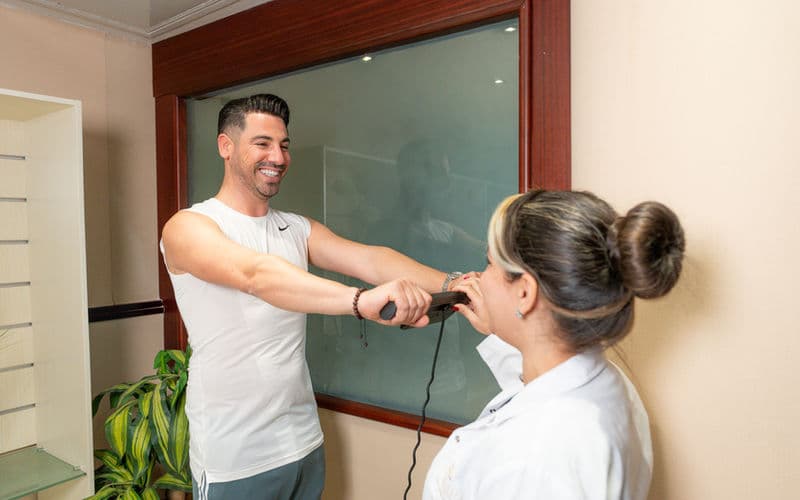
A medical weight loss Malta programme approaches weight from a different starting point. It begins with assessment, not prescription. At Carisma Slimming, the consultation includes a review of your health history, current medications, relevant test results, and the specific pattern of your weight history. Not just "how much do you want to lose," but why previous efforts haven't worked, and what your body is doing that the scale alone doesn't show.
From that foundation, a plan is built around you. Not a one-size meal template. A protocol that accounts for insulin response, metabolic rate, hormonal context, and real life, including social eating, stress patterns, and the specific rhythms of living in Malta.
Where hormones are identified as a contributing factor, the programme works alongside, not instead of, appropriate medical management. That might mean coordinating with your GP for thyroid care, supporting insulin sensitivity through specific dietary protocols, or working on the cortisol-weight cycle through structured habit change and consistent accountability.
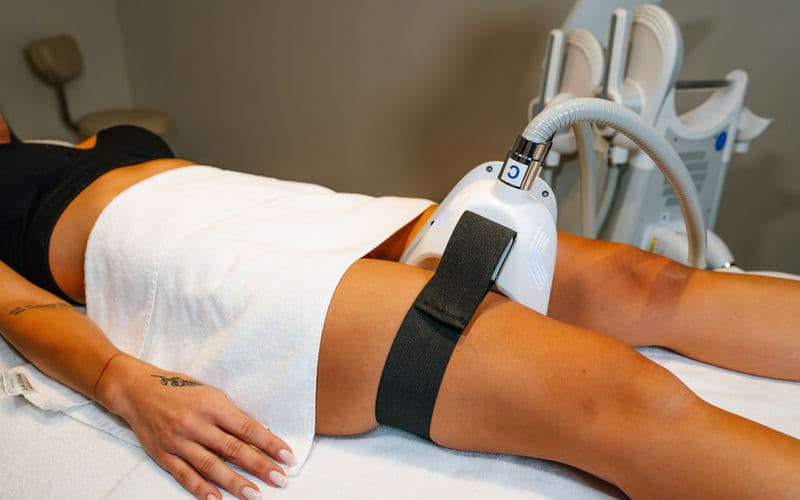
The weight loss programme Malta at Carisma Slimming includes ongoing medical supervision, body composition analysis, and genuine human accountability. Results may vary for each individual depending on hormonal profile, starting point, and consistency. What doesn't vary is the level of care.
Frequently Asked Questions About Hormones and Weight Gain Can hormone imbalance really cause weight gain even if I'm eating well? Yes. Research on thyroid function, insulin resistance, and oestrogen decline confirms that hormonal disruption can meaningfully reduce metabolic rate, increase fat storage, and dysregulate hunger signals, independently of caloric intake. This is not an excuse. It is a physiology fact. Understanding it is the first step toward addressing it properly.
Why can't I lose weight even though my blood tests came back normal? Standard tests check for clinical thresholds, not optimal function. A TSH in the "normal" range can still be suboptimal for a given individual. Fasting glucose may look fine while fasting insulin is elevated and insulin resistance is already present. "Normal" in conventional medicine means not clinically unwell. It doesn't always mean functioning well for weight management.
Is hormonal weight gain specifically a problem for women in perimenopause? Perimenopause and post-menopause are the most common periods for hormonal weight changes, particularly around the abdomen. But thyroid issues, insulin resistance, and cortisol disruption can affect women at any age. Women in Malta in their thirties experiencing unexplained weight changes, fatigue, or irregular cycles should not assume they are too young for hormonal factors to matter.
Can I do hormone testing in Malta? Yes. Private clinics in Malta offer extended hormonal panels beyond what is standard in public healthcare. A medically supervised programme like Carisma Slimming can guide you on what testing is relevant for your situation and how to interpret the results within a weight management plan.
Will addressing my hormones automatically cause weight loss? Not automatically. Addressing hormonal imbalances creates a better physiological environment for weight loss, but a structured, sustainable approach to nutrition and lifestyle is still essential. Think of it as removing obstacles rather than pressing a shortcut. The combination of hormonal clarity, medical supervision, and a personalised plan is where consistent results come from.
What if my GP has already told me my hormones are fine? Ask for the specific numbers, not just the conclusion. If your TSH is 3.8, that is technically within the normal range in many labs, but research suggests many women feel and function better at TSH below 2.5. The same applies to insulin: a fasting glucose of 5.2 looks unremarkable, but a fasting insulin of 18 tells a different story. A second perspective within a programme that evaluates weight medically is always worth having.
You Are Not Failing. The Framework Is Incomplete. If you've done the work, the food tracking, the steps, the willpower, and the weight still isn't moving, please hear this: the problem is not you. The problem is that the advice you've been given wasn't built for your biology.
Understanding hormone imbalance and weight gain is not about finding an excuse. It's about finding an explanation. And once you have the right explanation, you can finally build the right plan.
At Carisma Slimming, our team in Malta offers a free slimming consultation that includes a thorough intake review of your health history, your previous weight loss attempts, and the specific factors that may be keeping you stuck. No judgement. No pressure. Just an honest conversation about what is actually happening and what could genuinely help.
You deserve support that accounts for your whole body, not just your meal plan.
Results vary depending on individual health status and hormone profile. This article is for informational purposes only and does not constitute medical advice. Always consult a qualified healthcare professional before beginning any weight management programme.
More from the blog