Sofia is 31. She lives in Sliema, works full-time, cooks her own meals, and walks every morning along the seafront. For the past two years, she's been trying to lose the same 12 kilos. She tried cutting carbs. She tried calorie counting. She tried a popular meal-replacement programme she saw advertised on Instagram. Each time, she lost a little, stalled, then gained it all back. When she finally went to her GP about the weight, the response was simple: eat less, move more. What no one...
Sofia is 31. She lives in Sliema, works full-time, cooks her own meals, and walks every morning along the seafront. For the past two years, she's been trying to lose the same 12 kilos. She tried cutting carbs. She tried calorie counting. She tried a popular meal-replacement programme she saw advertised on Instagram. Each time, she lost a little, stalled, then gained it all back.
When she finally went to her GP about the weight, the response was simple: eat less, move more.
What no one mentioned was that Sofia has PCOS. Polycystic ovary syndrome. A condition that affects an estimated 10 to 15 per cent of women of reproductive age globally, and which fundamentally changes how the body stores fat, responds to insulin, and regulates hunger.
Sofia wasn't failing her diet. Her diet was failing her biology.
If that sounds familiar, you're not alone. PCOS and weight gain have a relationship that goes far deeper than calories, and understanding that relationship is the first step to actually doing something about it. This article explains the science clearly, without jargon, and outlines what a medically supported approach to PCOS weight loss in Malta can realistically offer.
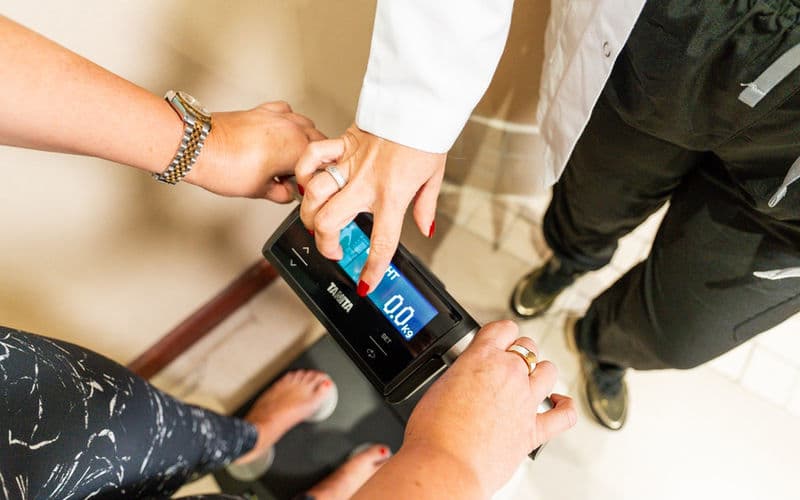
[Image: Body Analysis]
What PCOS Does to Your Metabolism Polycystic ovary syndrome is primarily a hormonal condition. Most people associate it with irregular periods or fertility challenges, but its effects on metabolism are equally significant and far less discussed.
Women with PCOS typically have elevated levels of androgens, often called "male hormones," including testosterone. This hormonal imbalance disrupts the normal signalling pathways that regulate appetite, fat storage, and energy use. In practical terms, even when two women eat the same number of calories and exercise the same amount, the woman with PCOS is working against a biochemical disadvantage.
The condition is also associated with higher levels of cortisol, the stress hormone, which further promotes fat storage, particularly around the abdomen. This is why many women with PCOS describe gaining weight "around the middle" even when their overall body weight feels stable.
There is also a direct link between PCOS and lower resting metabolic rate. Research published in the Journal of Clinical Endocrinology and Metabolism suggests that women with PCOS may burn significantly fewer calories at rest compared to women without the condition. That gap compounds over months and years. It's not a matter of willpower. It's physiology.
Results from any weight loss programme may vary depending on individual PCOS presentation and hormonal profile, which is precisely why a one-size-fits-all approach rarely produces lasting results.
Insulin Resistance: The Weight Loss Barrier Most Women Don't Know They Have Insulin resistance is present in an estimated 70 to 80 per cent of women with PCOS, according to consensus guidelines from the European Society of Human Reproduction and Embryology (ESHRE) and the American Society for Reproductive Medicine (ASRM). It's arguably the single most important factor behind why losing weight with PCOS in Malta, or anywhere, is so much harder than it should be.
Here's how it works. When you eat, your blood sugar rises. Your pancreas releases insulin to move that glucose into your cells for energy. In a person with insulin resistance, the cells don't respond normally to that signal. The pancreas compensates by producing more insulin. And elevated insulin, chronically high insulin, is a powerful fat-storage signal. It tells your body to hold on to fat, particularly visceral fat around the organs and abdomen.
This creates a frustrating cycle. You eat what feels like a normal amount of food. Your insulin spikes higher than it should. More fat gets stored than it should. Hunger signals reset so you feel hungry again sooner. The system is working against you, not because you're doing something wrong, but because of how your body is wired.
PCOS and belly fat are connected precisely through this mechanism. It's not specifically about eating too much sugar. It's about how the entire metabolic system responds to carbohydrates. Understanding this isn't just useful academically. It changes what kind of approach to weight loss actually makes sense.
Why Standard Diets Often Fail for Women with PCOS Most commercial diet programmes are built around one principle: eat less, burn more. That principle has a place in any weight management approach, but it's woefully incomplete for women with PCOS.
Here's what standard diets miss.
They don't address insulin. A calorie-restricted plan that's still high in rapidly digested carbohydrates keeps insulin elevated even while reducing overall intake. The fat-storage signal stays on. The results stall.
They don't account for hormonal hunger. Women with PCOS often experience stronger hunger signals and more intense cravings, particularly in the second half of their cycle. A programme that doesn't recognise this will blame the person when they fall off the plan. The plan simply wasn't built for their biology.
They create unsustainable restriction. Many popular programmes require a level of restriction that's difficult for anyone to maintain long-term. For women with PCOS, who are already dealing with elevated cortisol, additional stress from extreme dietary restraint can actively worsen hormonal balance. You didn't fail the plan. The plan failed to account for your PCOS.
They offer no medical guidance. Polycystic ovary syndrome is a medical condition. Managing its effect on weight is, in part, a medical challenge. Attempting to solve it with a meal plan alone, without investigating hormonal levels, metabolic markers, or thyroid function, is like treating a chest infection with cough drops.
This isn't a failure of determination. It's a structural mismatch between the tools you were given and the problem you're dealing with.
What Does Work: Evidence-Based Approaches to PCOS Weight Loss The research here is increasingly clear, and it's genuinely encouraging.
Low-glycaemic index (low-GI) dietary approaches have shown meaningful benefits for women with PCOS in multiple clinical studies. By slowing the rate at which carbohydrates enter the bloodstream, low-GI eating reduces insulin spikes without requiring dramatic calorie restriction. A 2010 study in the European Journal of Clinical Nutrition found that women with PCOS following a low-GI diet over 12 months had significantly better improvements in insulin sensitivity, menstrual regularity, and quality of life compared to those following a standard healthy eating plan.
The Mediterranean diet, rich in vegetables, legumes, whole grains, olive oil, and fish, fits well within this framework and aligns naturally with Maltese food culture. That's not a coincidence. The traditional Mediterranean dietary pattern was developed in exactly the kind of climate and social context that most women living in Malta already know.
Moderate resistance training helps improve insulin sensitivity independently of weight loss. Muscle tissue is one of the main sites where glucose gets absorbed, so more muscle means better glucose uptake and lower circulating insulin over time.
Metformin combined with lifestyle intervention has been studied extensively in women with PCOS who have significant insulin resistance. The ESHRE and ASRM consensus recommends considering metformin as part of a comprehensive management plan in specific cases, always under medical supervision. For women with polycystic ovary syndrome and weight challenges in Malta, that's a conversation worth having with a qualified clinician, not a decision to make based on online research alone.
Stress management and sleep matter more than most programmes acknowledge. Elevated cortisol both worsens insulin resistance and promotes abdominal fat storage. Women who are chronically sleep-deprived or under significant stress will find that even the right nutritional approach underperforms. Any serious programme for PCOS weight loss must address this directly.
Results may vary depending on individual PCOS presentation and hormonal profile. What works well for one woman may need significant adjustment for another, which is precisely why personalisation matters.
If you're in Malta and want to understand which of these approaches fits your specific hormonal picture, a medically supervised weight loss Malta consultation is the right starting point. Book a free slimming consultation here.
How a Medically Supervised Programme Can Help with PCOS Trying to manage PCOS-related weight challenges without medical support is like navigating a complicated road without a map. The destination exists. The routes are known. Without guidance, most people end up going in circles.
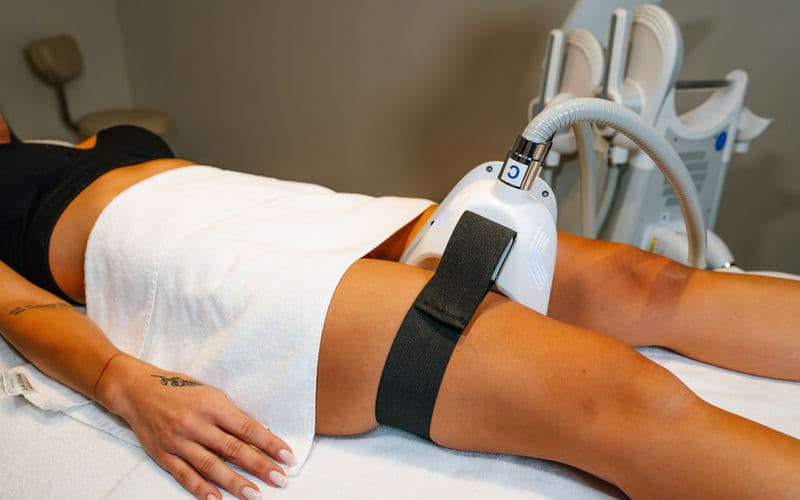
A slimming programme Malta designed to account for PCOS looks meaningfully different from a commercial diet.
Assessment first. Before any food plan or exercise prescription, a clinician reviews relevant blood markers: fasting insulin, glucose, HbA1c, thyroid function, full hormonal panel. This is how you know what you're actually dealing with, not just what you suspect.
Targeted nutritional approach. Rather than a generic calorie target, the programme is built around your metabolic picture. If insulin resistance is present, carbohydrate timing and quality take priority. If cortisol is elevated, the approach avoids the kind of restriction that adds metabolic stress.
Ongoing monitoring and adjustment. Hormonal conditions shift. What worked at week four may need recalibrating at week 12. Having a clinical team that tracks your markers, not just your weight, means the programme evolves with you.
Medical intervention options if appropriate. For some women, lifestyle alone produces limited results because the hormonal picture requires pharmaceutical support. That decision belongs with a qualified clinician who knows your full case, in a structured and non-judgmental setting.
Accountability that's human, not algorithmic. Regular check-ins with a real person who knows your history change the texture of the process entirely. Not a fitness app. Not a weekly automated email. Someone who knows you started in March, that April was hard, and that you're back and trying again.
Frequently Asked Questions About PCOS and Weight Loss in Malta Why is it so hard to lose weight with PCOS? PCOS disrupts the hormonal systems that regulate metabolism, insulin sensitivity, appetite, and fat storage. Elevated androgens, chronically high insulin, and elevated cortisol all work together to make weight gain easier and weight loss harder. This isn't a failure of effort. It's a physiological reality that requires a matching approach. Standard diets often fall short because they don't address the underlying hormonal drivers.
Can PCOS belly fat be targeted specifically? Not through targeted exercises alone. Spot reduction isn't physiologically possible. However, the visceral fat that accumulates around the abdomen in women with PCOS is specifically linked to insulin resistance. Interventions that improve insulin sensitivity, including low-GI eating, resistance training, and where clinically appropriate, medication, tend to reduce abdominal fat as part of broader metabolic improvement. Results vary depending on individual hormonal profile and how long the condition has been present.
Does the Mediterranean diet help with PCOS? Yes. It's one of the most evidence-supported dietary patterns for women with PCOS and a natural fit for women living in Malta. Its emphasis on vegetables, legumes, whole grains, olive oil, and fish supports lower insulin responses, reduced inflammation, and better hormonal balance. It's also not a restrictive diet in the traditional sense, which makes it more sustainable for long-term adherence.
Is medication always needed for PCOS weight loss? Not always. For many women, a well-designed lifestyle programme that addresses insulin resistance through diet, movement, and stress management produces meaningful results. For women with significant insulin resistance or where lifestyle alone is insufficient, medication, most commonly metformin, may be appropriate. This is a clinical decision that should be made with a qualified medical professional, not self-prescribed.
How long does it take to see results with a PCOS-specific programme? This varies based on individual PCOS presentation, hormonal profile, and baseline metabolic health. Some women notice improvements in energy, hunger, and mood within the first few weeks of a low-GI approach, before significant weight changes occur. Meaningful, sustained weight loss typically becomes more visible over a three to six month period on a medically supported programme. We don't promise specific timelines, because PCOS isn't a one-timeline condition.
What if I've tried everything and nothing has worked? This is one of the most common things women say when they come to us, and we take it seriously. "Everything" usually means programmes not built for PCOS specifically: generic diets, commercial plans, gym memberships without nutritional support. A medically supervised programme starts by understanding what is actually driving your weight challenges. If you're in Malta and have tried multiple approaches without lasting success, a structured clinical assessment may be the starting point that's been missing.
You Deserve Support That Was Built for Your Biology Sofia, from the opening of this article, eventually found her way to a programme that understood PCOS. Not a miracle. Not a transformation story. Just a plan that finally matched her physiology: low-GI, hormonally aware, medically supervised, and adjusted as her body responded.
She's not at her goal weight yet. But she hasn't gained it all back either. She has more energy. Her periods are more regular. She doesn't feel like she's fighting herself every single day.
That's what the right support looks like. Not perfection. Not dramatic before-and-afters. A plan you can live with on a normal Tuesday in Malta, not just on the days you feel motivated.
If you've been told to "just lose weight" while living with PCOS, and you're ready for a conversation that starts with actually understanding your biology, our team at Carisma Slimming is here for that conversation.
Book your free slimming consultation. We'll look at the full picture, not just the number on the scale.
More from the blog